Fashion as self-expression?
How Iris van Herpen Transformed Fashion
Working between fashion, design, technology, and science
The question to ask yourself
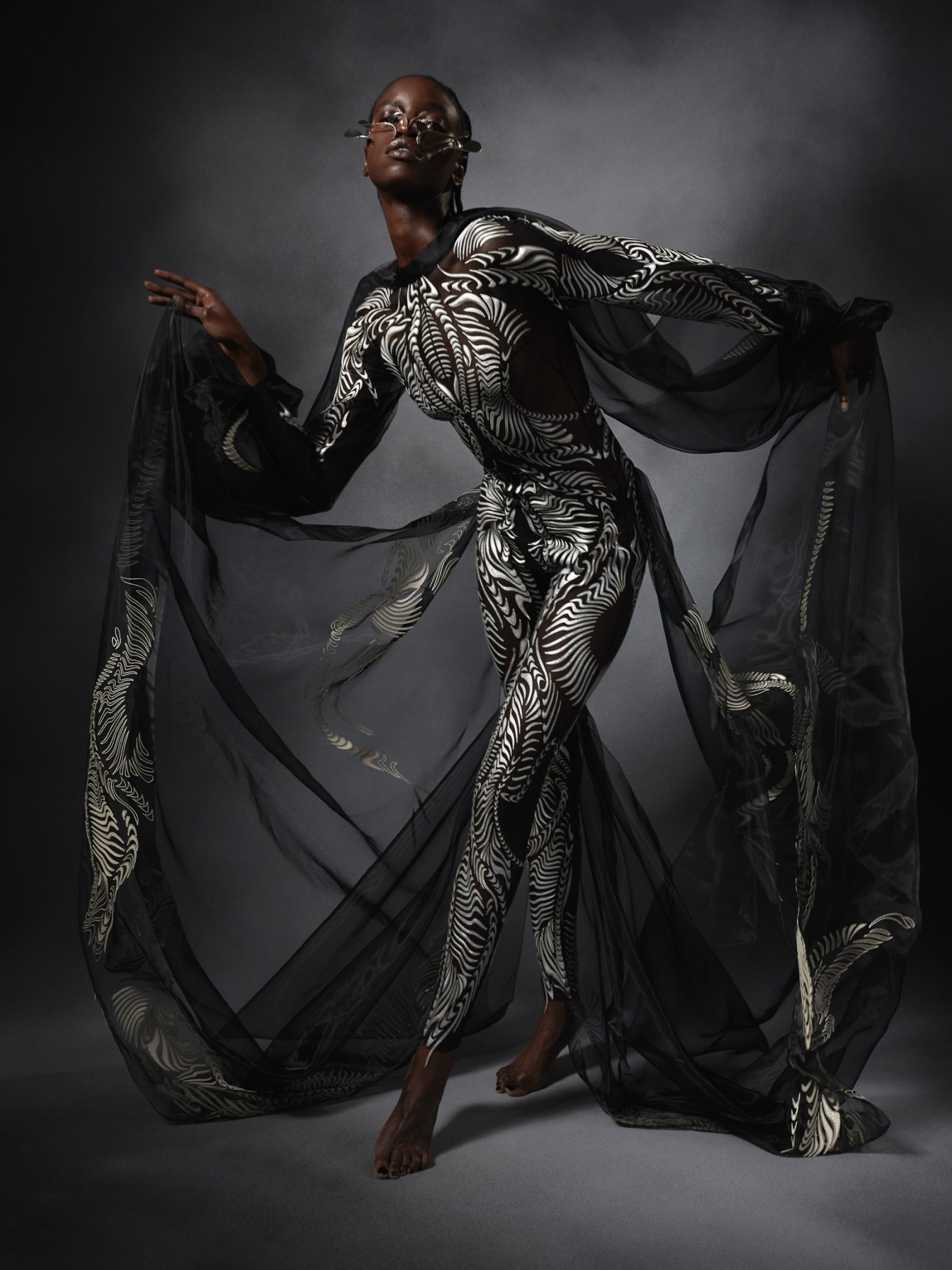
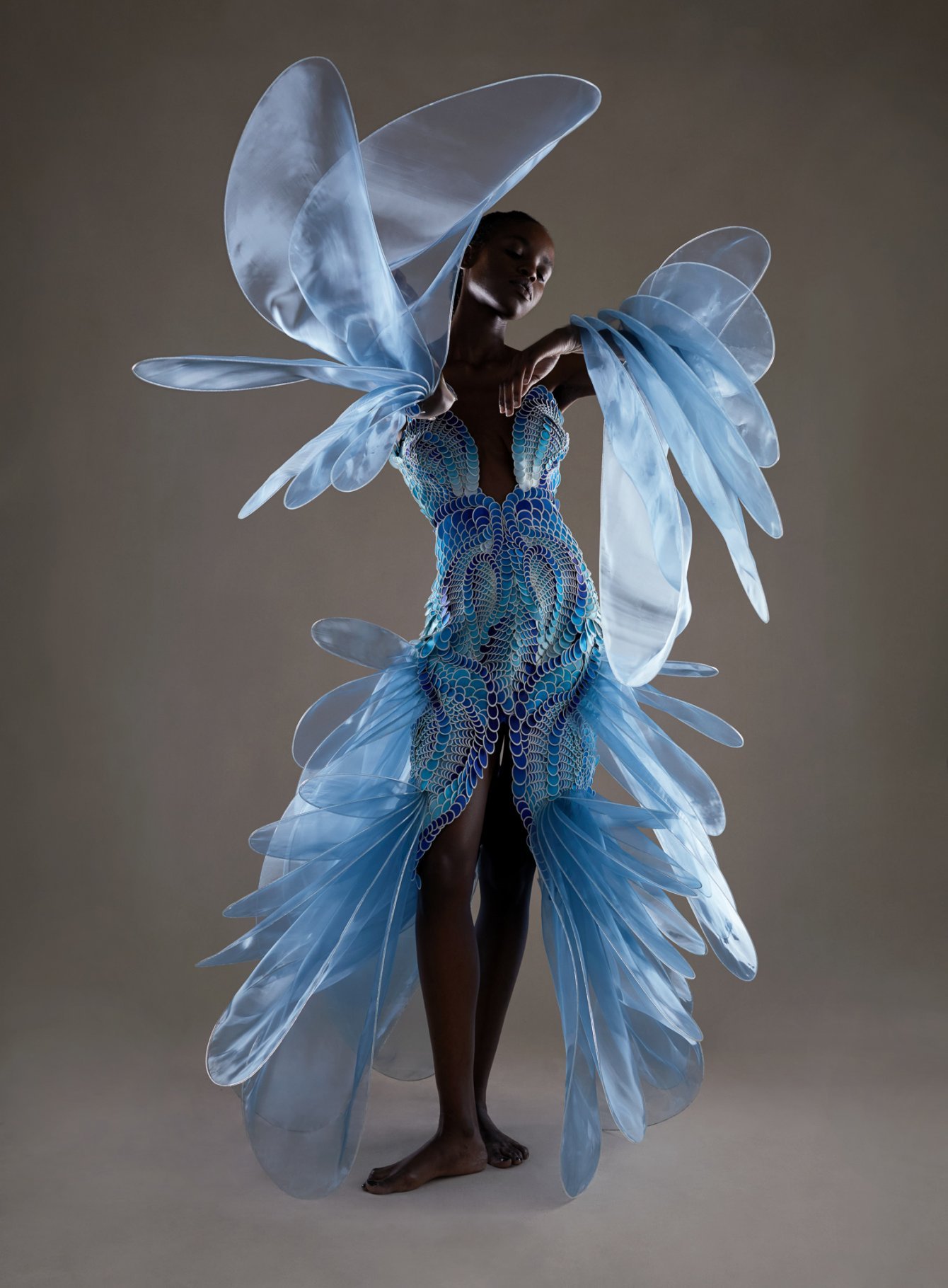
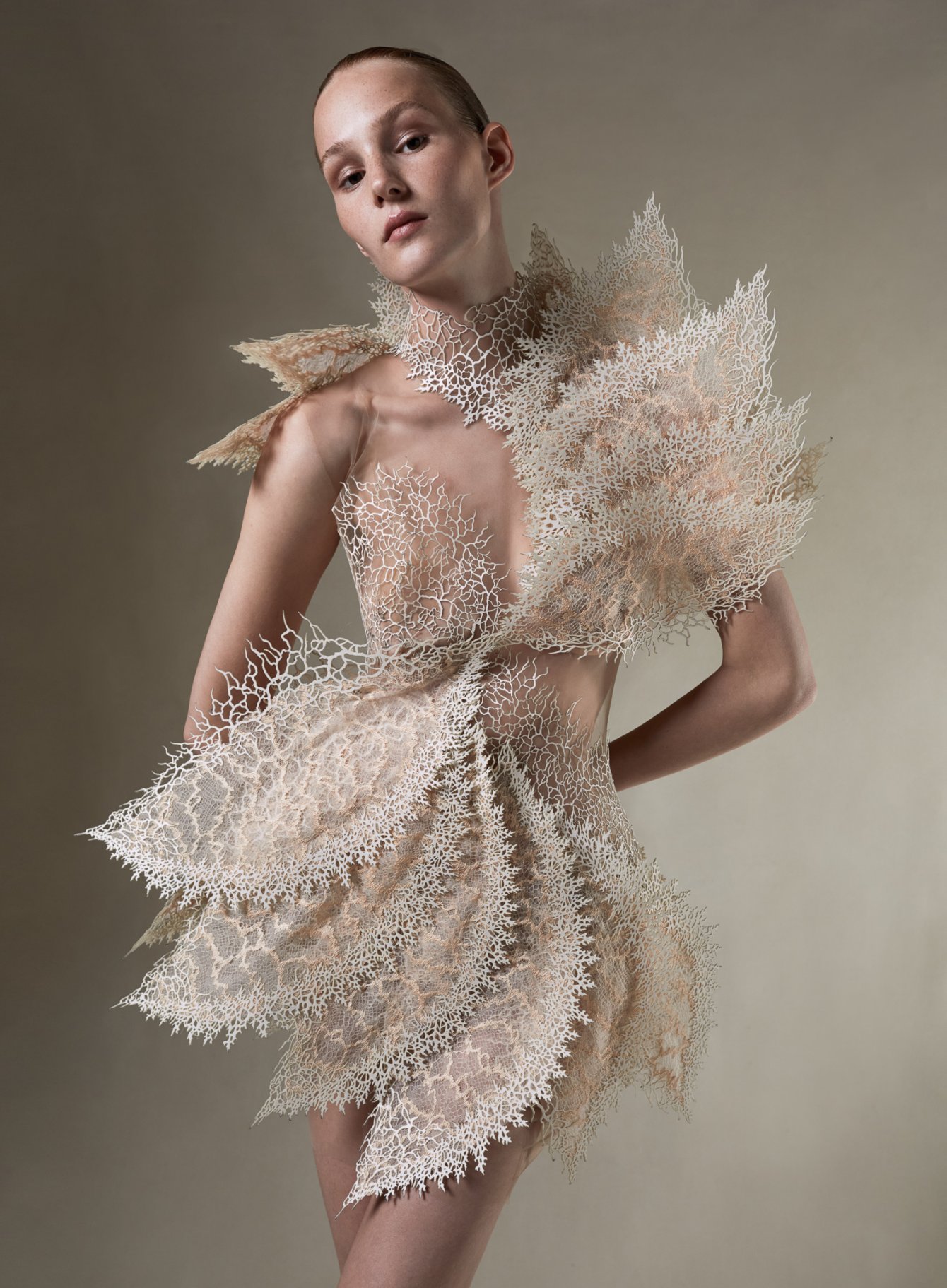
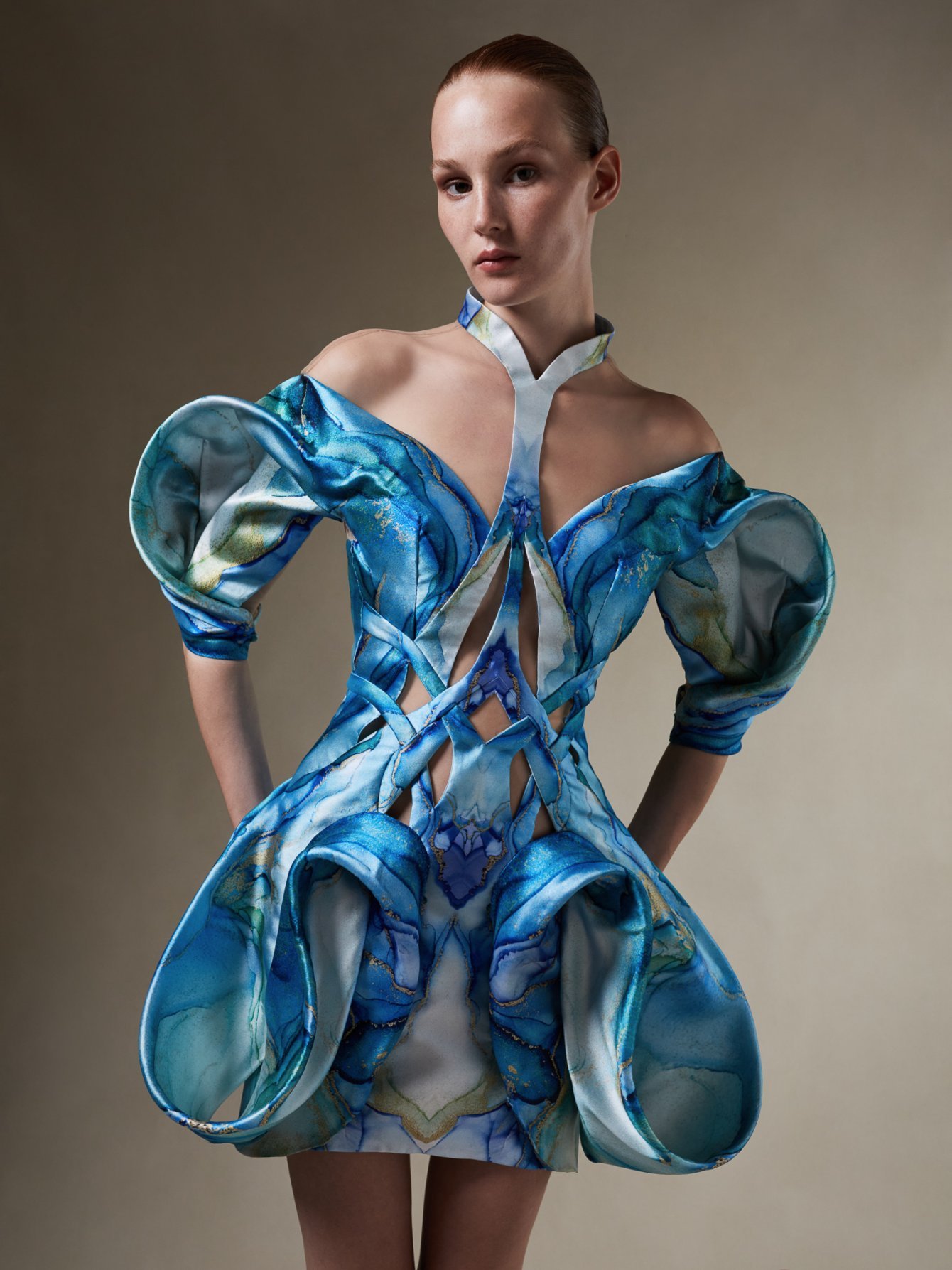
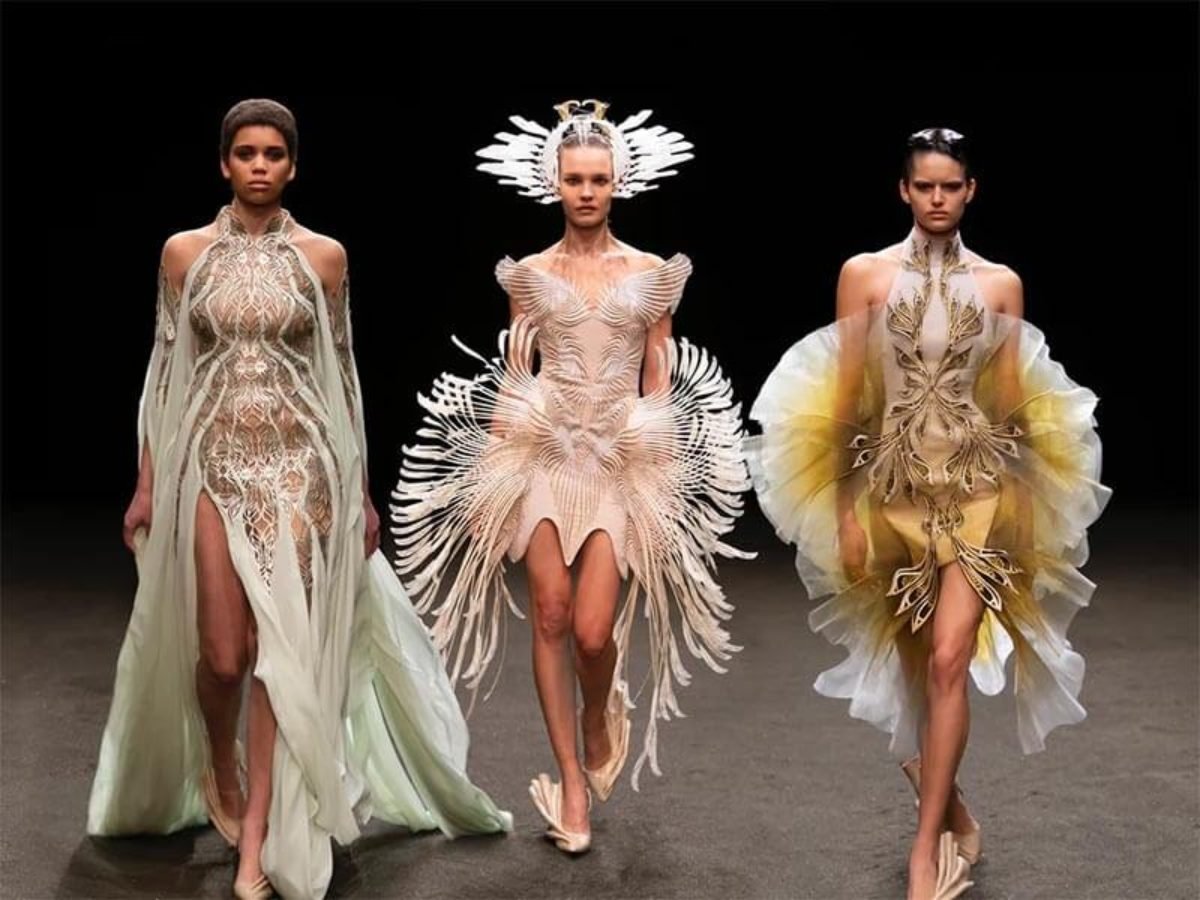
Iris van Herpen (Dutch, born 1984) works at the nexus of fashion, design, technology, and science. With a dynamic and path-breaking body of work, she is widely heralded as a pioneering new voice in fashion. Van Herpen is known for her willingness to experiment—exploring new fabrics created by blending steel with silk or iron filings with resin, incorporating unexpected materials ranging from umbrella tines to magnets, and pushing the boundaries of technologies such as 3-D printing.
Van Herpen has created a body of work that continues to defy expectation, evolving and forging new ideas and inspirations based both in nature and in visions of the contemporary world. The resulting works, defined within the fashion world as couture, are typically collected and shown in museums, viewed more often as fine art than as design-forward wearables.
Chemical Crows
Chemical Crows was inspired primarily by Iris van Herpen’s observations of a group of crows living around her studio. Her fascination with birds began at an early age, when she kept young jackdaws. Crows are known for their intelligence and predilection for glittering objects and are traditionally associated with secrecy and symbolism.
Van Herpen is also intrigued by black magic and alchemy. She shares with alchemists a passion for controlling and transmuting materials, which is how she developed the urge to turn the crows into gold. As alchemists tried to turn base metals into gold, so van Herpen has transformed gold-colored umbrella ribs into whimsical fan-like shapes to represent the crows.
She also used thousands of yards of industrial yarn to construct layered textures that give the impression of a suit of feathers in motion. With a passion and compulsion to gain control of her materials, van Herpen has transformed them into this amazing collection. Chemical Crows is van Herpen’s first major collection and was crafted entirely by hand.
The three works illustrated here are in the collection of the Groninger Museum, the Netherlands.
Fashion is an expression
An intercontinental phone conversation prompted Iris van Herpen to question the innumerable flows of digital information that surround us like rays at every moment and in every place. In spite of the ubiquity of this information, we can access it only by using specific equipment.
What would we do with our daily overdose of electromagnetic waves and digital information streams if we could see them? In Radiation Invasion, the wearer seems to be surrounded by a complex of wavy rays, flickering patterns, vibrating particles, and reflecting pleats.
The collection is about the simultaneously frightening and fascinating presence of radiant energy (particularly that generated by electronics) that constantly surrounds us. Van Herpen represents in this collection how it might look if we could detect and manipulate radiation—if we, like magnets, could attract and repel. This collection is the start of a theme that continues to pervade van Herpen’s work: the role of technology and its relationship to the body.
The three works illustrated here are in the collection of the Groninger Museum, the Netherlands.